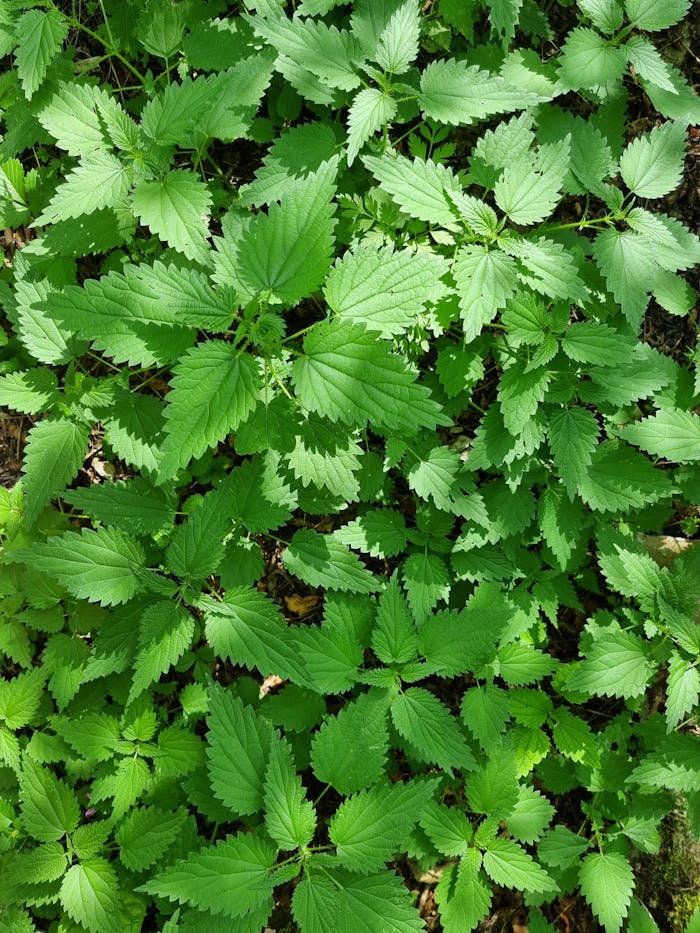
The word ashwagandha means “smell of horse” in Sanskrit — a reference both to its earthy, distinctive aroma and to the strength and vitality it was believed to confer. For over 3,000 years, ashwagandha has been one of the most important plants in Ayurvedic medicine, and its use spread through trade routes and scholarly exchange into North African and Moorish botanical traditions.
What Is an Adaptogen?
An adaptogen is a plant substance that helps the body adapt to physical and mental stress by modulating the stress response system. Unlike stimulants that push the body into overdrive, adaptogens help regulate and normalize the stress response, reducing cortisol levels when they are too high and supporting energy when the body is depleted. Ashwagandha is the most extensively studied adaptogen in the world.
Traditional Uses and Modern Validation
Ancestral Ayurvedic physicians used ashwagandha root as a rasayana — a category of rejuvenating substances used to promote longevity, strength, reproductive health, and cognitive function. Contemporary clinical research has confirmed significant effects on cortisol reduction, thyroid function, testosterone levels, sleep quality, and cognitive performance.
How to Use Ashwagandha
Traditional preparation was as a root powder mixed into warm milk with honey and spices. For those who prefer modern supplementation, standardized extracts in capsule form are widely available. KSM-66 and Sensoril are the most clinically studied standardized ashwagandha extracts. Ashwagandha is best taken consistently over 4-8 weeks to observe its full adaptogenic effects. Our recommended pick: Ashwagandha Extra Strength.
Stress, Sovereignty, and Ancestral Resilience
Our ancestors faced extraordinary demands. The plant medicines they relied on were not separate from their resilience — they were foundational to it. Returning to ashwagandha and the adaptogenic tradition is returning to a proven system for sustaining strength under pressure. A system that belongs to us.
As an Amazon Associate I earn from qualifying purchases. This post contains affiliate links — see our Affiliate Disclosure for details.